Compare Honeymoon Suites: Expert Architectural & Valuation Guide
Selecting high-tier accommodation requires a systematic method to evaluate competing resort options. Travelers often face marketing materials that present vastly different room categories under identical romantic labels. Evaluating these options requires looking beyond surface aesthetics to analyze room layout, acoustic design, service access, and overall site topography.
The luxury hospitality industry relies heavily on visual branding, which can obscure functional differences between room categories. A plunge pool suite at an urban luxury property operates under entirely different constraints than a standalone beach villa bearing the same price tag. Conducting an objective evaluation requires analyzing the physical space, surrounding resort density, and service delivery models.
This guide presents an analytical framework designed to evaluate top-tier romantic accommodations across diverse hotel brands and geographic regions. By examining layout variations, pricing dynamics, and common operational pitfalls, the following sections provide a clear framework to help consumers make informed, value-driven decisions.
Understanding “Compare Honeymoon Suites”
Learning how to compare honeymoon suites effectively requires looking past promotional terminology to assess actual room construction and service delivery. Hotels often define inventory categories based on internal revenue targets rather than standardized architectural criteria.
Consequently, rooms sold under the same label across different properties can offer wildly different square footage, privacy levels, and operational quality.
Decoupling Photography from Architectural Reality
Promotional images routinely rely on wide-angle lenses, selective framing, and staged lighting to exaggerate room dimensions. A space that appears open and isolated in online photos may actually border a high-traffic pedestrian walkway or share a thin wall with a service pantry.
Evaluating inventory accurately requires reviewing floor plans, structural materials, and physical site maps rather than relying on curated gallery images.
Oversimplification and Single-Attribute Errors
Travelers frequently make booking mistakes by focusing entirely on a single prominent feature, such as a sea view or a private outdoor tub. Evaluating a room based on one metric can lead to overlooking major functional drawbacks.
-
A top-floor ocean view suite may sit directly beneath a noisy roof-deck restaurant.
-
An outdoor plunge pool might be exposed to direct sunlight without any natural shade.
-
A garden villa could require long, steep climbs to reach the main property amenities.
Historical and Systemic Evolution of Suite Classification
Hotel room classification models have evolved alongside changes in international travel and architecture over the past century. Mid-twentieth-century hotels categorized rooms primarily by bed configuration and exterior view profiles.
Specialized suites were typically reserved for political figures or corporate executives, featuring formal living areas designed for hosting meetings rather than private relaxation.
The Transition to Experiential Layouts
During the 1980s and 1990s, resort operators shifted their focus toward open-plan luxury designs. Bathrooms expanded into major living features, incorporating soaking tubs, double vanities, and direct access to private outdoor decks.
This architectural pivot reflected a change in consumer demand, as guests began prioritizing private in-room wellness over shared resort facilities.
Modern Inventory Segmentation
Today’s hospitality market uses dynamic pricing algorithms to segment inventory into highly specific categories.
Hotels differentiate suites based on minor elevation changes, slight shifts in view angles, or dedicated butler access. This structural complexity makes side-by-side comparisons challenging, requiring consumers to analyze the precise floor plan and location of each room.
Conceptual Frameworks for Suite Comparison
Evaluating competing accommodations requires applying structured mental models rather than relying on initial visual impressions. Analytical frameworks help isolate true spatial utility from superficial design elements.
The Privacy-Accessibility Matrix
This model evaluates how effectively a room balances physical isolation with convenient access to resort services. It plots inventory along two primary operational vectors:
-
Sightline Isolation: The structural protection of private zones (bedrooms, balconies, pools) from neighboring guest rooms, public walkways, and staff corridors.
-
Service Accessibility: The travel time and operational effort required to move between the suite and core resort facilities, such as dining venues, spas, and transport hubs.
The Spatial Efficiency Ratio
The Spatial Efficiency Ratio calculates usable, private living space against total advertised square footage. Advertised room dimensions often include unheated entryways, wide corridors, oversized vanity zones, or unusable exterior ledges.
Calculating the functional square footage of primary living and sleeping areas reveals the true spatial value of competing options.
Key Categories and Architectural Trade-offs
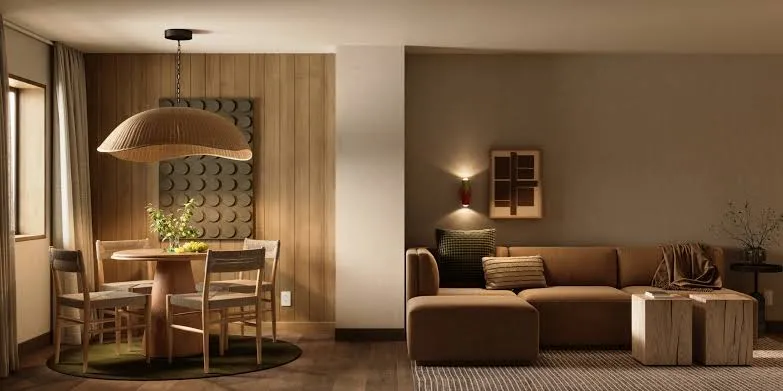
High-end resort inventory falls into distinct structural categories. Each room layout imposes specific operational limits, acoustic characteristics, and privacy trade-offs.
Overwater Bungalows
Positioned over shallow coastal waters, these structures feature direct sea access, glass floor viewing panels, and open horizon views.
They require constant maintenance to combat salt-spray damage, high humidity, and tidal movement. Guests must weigh direct ocean access against potential exposure to public boat traffic, foot traffic on connecting walkways, and long walks to land-based dining facilities.
Urban Sky Penthouses
Located on the top floors of major metropolitan hotels, penthouses offer expansive skyline views, high ceilings, and premium interior finishes.
These units provide immediate access to urban culture, fine dining, and entertainment options. However, structural constraints in high-rise buildings can create elevator delays, sealed windows that prevent natural airflow, and ambient street noise during peak traffic hours.
Standalone Hill Villas
Set into elevated coastal or forest terrain, hillside villas utilize natural topography to create physical separation between adjacent guest units.
These properties offer high privacy levels and expansive outdoor decks. Trade-offs include reliance on golf cart transport, exposure to local wildlife, and steep staircases that can prove challenging during poor weather conditions.
Resort Enclave Suites
Situated within larger integrated resort developments, enclave suites grant access to private pools, dedicated lounges, and private check-in areas.
Guests benefit from extensive resort amenities, including multiple dining choices and large fitness facilities. However, overall site density remains high, meaning nearby pool areas can grow crowded during peak operational hours.
Real-World Comparison Scenarios and Trade-offs
Analyzing real-world scenarios highlights the practical trade-offs involved when trying to compare honeymoon suites across different property designs.
Beachfront Villa vs. Overwater Bungalow
A couple evaluates two top-tier options at a tropical resort: an overwater bungalow at the end of a wooden pier and a beachfront villa set back in coastal foliage.
-
Primary Constraint: Overwater units lack natural foliage, leaving sun decks visible to passing watercraft.
-
Decision Point: Choose direct water access over the complete visual privacy offered by beachfront tree coverage.
-
Secondary Impact: The beachfront villa provides natural shade and shorter walks to dining areas, while the overwater bungalow faces strong evening winds and higher wave noise.
Historic Urban Suite vs. Modern Tower Penthouse
A couple compares a historic suite featuring original plasterwork with a modern tower penthouse offering floor-to-ceiling glass windows.
-
Primary Constraint: Preservation laws prevent retrofitting double-pane soundproof glass in the historic building.
-
Decision Point: Prioritize architectural character over the quiet acoustic profile and modern climate control of the tower penthouse.
-
Secondary Impact: The historic suite experiences street-level traffic noise, whereas the tower penthouse provides quiet indoor comfort alongside longer elevator wait times.
Financial Dynamics and Resource Allocation
Understanding room pricing requires analyzing both direct room charges and mandatory property surcharges. Published nightly rates rarely capture the full financial commitment needed for high-tier inventory.
Uncovering Hidden Financial Elements
Room rates fluctuate based on seasonal demand, local events, and historical booking patterns. Premium accommodations often carry indirect financial obligations that impact overall travel budgets:
-
Mandatory Resort Surcharges: Daily fees added to cover standard amenities like internet access, pool use, and gym access.
-
Specialty Transport Fees: High-cost transfers, such as private speedboats, seaplanes, or luxury vehicle services required to access remote properties.
-
In-Suite Dining Markups: Delivery surcharges and service fees applied to room service orders, which can run 30% to 50% higher than standard restaurant pricing.
Evaluating romantic accommodations requires a systematic approach rather than relying on general consumer reviews. Implementing structured decision strategies helps strip away marketing fluff during pre-booking research.
Direct Property Verification
Before confirming a reservation, contact the property directly to verify physical details that standard website descriptions omit:
-
Exact Room Position: Request unit numbers for the target category to map their proximity to main pools, service doors, and delivery driveways.
-
Recent Renovation History: Inquire when the room block was last renovated, focusing on updates to air conditioning systems and bathroom fixtures.
-
Sightline Surveys: Confirm whether nearby trees, new resort construction, or adjacent guest balconies compromise outdoor deck privacy.
-
Acoustic Profiling: Ask about soundproofing measures, especially if the suite sits below rooftop bars, commercial kitchens, or event venues.
Risk Landscapes and Comparison Failure Modes
Booking high-tier accommodations exposes travelers to specific operational risks that can impact their overall stay experience. Identifying these failure modes early enables travelers to take steps to avoid them.
Visual Misrepresentation
Wide-angle lenses and adjusted lighting often make small rooms look spacious in promotional photos. Rooms listed as “suites” might actually feature open layouts without physical dividing walls, limiting functional space and privacy.
Acoustic Interferences
High-end finishes like marble, hardwood, and glass can bounce sound around a room if proper acoustic padding is missing. Rooms near service elevators, housekeeping closets, or public paths often experience disruptive foot traffic noise throughout the day.
Governance, Communication, and Verification Practices
Securing premium room inventory requires clear, proactive communication with hotel management long before your scheduled arrival date.
Engaging Property Management Directly
Rather than booking through third-party travel platforms, coordinate directly with the hotel’s front desk manager or reservations director.
Third-party bookings are often assigned default room numbers within a category. Direct communication allows you to request specific unit numbers known for quiet locations, superior views, or better natural lighting.
Pre-Arrival Checklist
-
Request a detailed floor plan showing interior door placements and wall boundaries.
-
Verify whether any major property renovations will occur during your stay dates.
-
Confirm that adjacent suites are not scheduled for maintenance or cosmetic updates.
-
Obtain written confirmation of check-in times to avoid waiting in public lobbies.
Performance Indicators and Room Audit Methods
Evaluating the overall quality of an accommodation requires looking beyond surface decor to assess physical comfort, privacy, and service execution.
Objective Technical Indicators
-
Acoustic Isolation: Indoor noise levels remain low regardless of exterior weather conditions or nearby guest activity.
-
Climate Control Precision: Air conditioning systems maintain set temperatures quietly without blowing air directly over sleeping areas.
-
Plumbing Reliability: Water pressure and temperature stay consistent during peak morning and evening usage hours.
Subjective Execution Indicators
-
Staff Discretion: Room attendants service the suite efficiently while guests are away, leaving personal items undisturbed.
-
Resolution Speed: Hotel management resolves room issues quickly without requiring multiple follow-up calls to the front desk.
Common Misconceptions in Suite Evaluation
Several persistent myths distort how travelers analyze high-tier hotel inventory. Correcting these assumptions helps buyers set realistic expectations and make better decisions.
The “Higher Price Guarantees Privacy” Fallacy
Travelers often assume that higher room rates automatically secure total privacy. In reality, high-category suites are frequently situated near primary resort assets, such as beachfronts or main pools, exposing them to elevated foot traffic and noise.
The “Suite Means Multiple Rooms” Misconception
The term “suite” does not always guarantee separate living and sleeping areas. Many properties apply the label to large single-room layouts, using furniture placement rather than physical walls to separate spaces.
Ethical, Regional, and Practical Considerations
Resort developments can place significant demands on local environments and host communities. Selecting responsible properties helps minimize these negative impacts.
Water and Energy Resource Demands
Luxury amenities such as private plunge pools, landscaped grounds, and continuous air conditioning consume substantial local resources.
Properties in arid or remote regions should balance these features with water desalination, greywater recycling, and solar energy systems.
Community Economic Distribution
Foreign-owned mega-resorts often retain profits offshore, limiting economic benefits for local workers and nearby businesses.
Selecting locally managed boutique hotels or properties that source food and labor locally helps ensure tourism spending supports the surrounding community.
Strategic Synthesis for Long-Term Value
Learning to compare honeymoon suites effectively requires prioritizing structural quality, room layout efficiency, and quiet surroundings over promotional claims. By reviewing floor plans, asking targeted questions before booking, and establishing direct lines of communication with hotel staff, travelers can avoid common property traps.
Ultimately, a successful stay depends on choosing a room design that matches your personal routines and travel preferences. Approaching the reservation process with analytical clarity ensures your accommodation provides a comfortable, quiet, and memorable base for your trip.