Top Honeymoon Suite Amenities | Technical & Architectural Evaluation
High-tier hospitality evaluation requires analyzing physical room infrastructure, spatial utility, acoustic boundary ratings, and service delivery channels. Marketing campaigns frequently label standard high-category hotel rooms as romantic sanctuaries, inflating nightly rates without providing structural improvements to privacy or staff service ratios. Selecting truly effective accommodations demands systematic analysis of mechanical HVAC systems, water heating capacities, acoustic wall assemblies, and physical service entry designs.
Modern resort properties feature diverse amenity configurations across distinct geographic settings. Private infinity plunge pools, integrated thermal spa suites, private culinary pantries, and automated climate systems present clear operational trade-offs that affect daily living comfort. Assessing these options requires evaluating sound attenuation parameters, sightline privacy vectors, service staff movement paths, and dedicated utility access. Understanding these physical elements enables travelers to separate real spatial utility from decorative marketing packaging.
This technical reference manual establishes an analytical framework for evaluating luxury room features. By examining amenity integration models, operational service channels, financial expenditure structures, and pre-arrival verification steps, the following analysis provides actionable guidance for securing top-tier hospitality assets.
Understanding “Top Honeymoon Suite Amenities”
Analyzing top honeymoon suite amenities requires separating functional spatial utility from temporary promotional gifts. Hospitality platforms frequently mark up standard room rates by offering welcome drinks or floral displays while ignoring poor wall insulation and intrusive exterior sightlines.
High-performing hospitality amenities depend on tangible engineering choices. Soundproofing wall assemblies, dedicated service entryways, masonry perimeter screens, and zoned climate controls form the foundation of premium accommodation.
Decoupling Promotional Decor from Functional Utilities
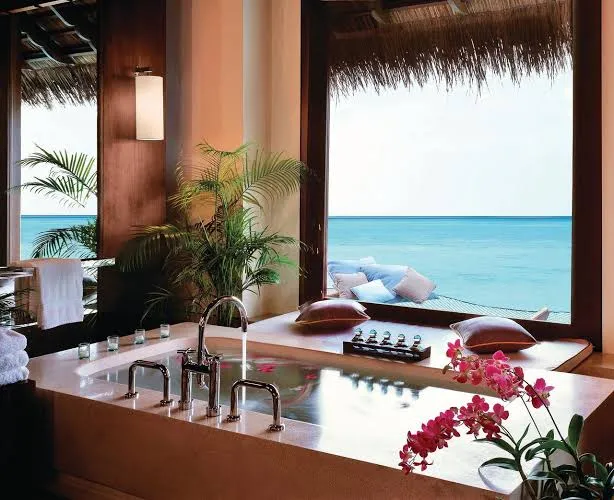
Promotional images often highlight freestanding soaking tubs or outdoor sunbeds. However, those pictures frequently mask thin wall construction, noisy exterior public walkways, or service access roads situated directly beneath private balconies.
Evaluating suite inventory effectively requires analyzing property floor plans, building elevation profiles, and surrounding site orientation maps. Confirming thick wall construction, offset unit entrances, and private access hallways helps ensure uninterrupted quiet.
Oversimplification Hazards in Feature Selection
Selecting room categories based purely on advertised feature lists introduces operational risks and unexpected physical inconveniences:
-
Private plunge pools on high floors can create continuous mechanical pump noise while offering limited solar exposure.
-
In-suite hydrotherapy tubs often deplete dedicated water heaters, leaving insufficient hot water for basic showers.
-
Open-plan bathroom designs reduce acoustic isolation and privacy between living zones.
Visual Isolation Vectors and Boundary Engineering
Visual seclusion depends on architectural massing, building orientation, and structural screening elements. Solid masonry walls, deep window recesses, and staggered balcony framing protect private lounging areas from adjacent guest units.
Historical Evolution of Specialty Room Features
Luxury hotel room features underwent major structural changes over the past century. Early twentieth-century grand hotels relied on connected corner parlors, central public foyers, and communal dining rooms to serve high-society guests.
The Transition to Integrated In-Suite Utilities
During the late twentieth century, luxury resort architecture moved away from high-rise hotel towers toward low-density pavilion villas. Properties prioritized lower building footprints, private plunge pools, and direct ground-level access to natural landscapes.
While detached villas enhance visual seclusion, they expand physical resort footprints. Guests must walk long outdoor paths or rely on internal electric golf carts to reach central property facilities.
Fully Integrated In-Suite Facilities
Contemporary high-tier suites increasingly incorporate full wellness facilities directly into individual room layouts. Modern suites feature private sauna cabins, steam showers, dedicated treatment tables, and private culinary pantries.
This structural evolution transforms guest rooms into fully self-contained living spaces. Couples enjoy private dining and spa therapies without entering shared public hotel areas.
Conceptual Frameworks for Amenity Evaluation
Evaluating top-tier suite inventory requires structured analytical tools. Systematic frameworks help separate structural performance from subjective review scores.
The Spatial Autonomy Framework
This model measures how effectively an accommodation layout enables guests to relax without needing frequent interactions with hotel staff or outside visitors. The model evaluates three core structural components:
High spatial autonomy guarantees undisturbed quiet, transforming accommodation quarters into an independent retreat.
The Structural Acoustic and Environmental Index
Travel timing directly influences room comfort. This framework evaluates structural sound barriers alongside mechanical HVAC performance to identify optimal suite layouts across luxury properties.
Analyzing structural sound isolation and mechanical air systems prevents unexpected noise disruptions during your stay.
Key Amenity Categories and Strategic Trade-Offs
The luxury hospitality market features distinct amenity configurations across diverse geographic regions. Each amenity type presents specific operational benefits, physical limits, and spatial trade-offs.
Private Outdoor Plunge Pools
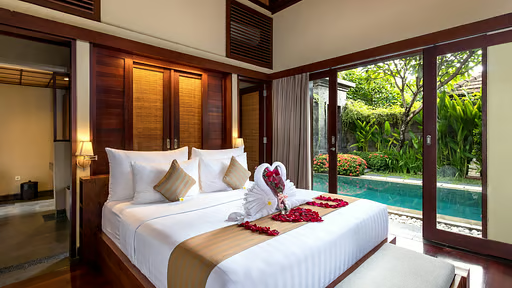
Located on oceanfront decks or mountain terraces, private plunge pools offer immediate access to water without using shared resort facilities.
These installations provide ground-level relaxation and excellent visual appeal. However, continuous filtration pump noise, daily chemical treatments, and variable outdoor water temperatures require active management.
Integrated Thermal Sauna and Steam Cabins
Situated within primary bathroom zones, in-suite steam rooms offer on-demand spa treatments in total privacy.
Guests enjoy personal hydrotherapy without reserving public spa slots. Trade-offs include high electrical utility demands, increased interior humidity, and required drying time to prevent condensation buildup.
Dedicated Butler Pantries and Dual-Door Entries
Positioned along service corridors, dedicated pantries allow staff to deliver meals and collect dishes without entering main sleeping zones.
These layouts provide high operational privacy during dining service. Trade-offs include smaller living room footprints and higher initial construction costs for dual-door entryways.
Automated Climate and Lighting Systems
Set up via wall-mounted touch panels, automated room controllers adjust lighting, window shades, and HVAC zones simultaneously.
These setups allow precise environmental adjustments for different times of day. Trade-offs include steep learning curves for complex controls, unexpected standby LED light pollution, and potential system glitches.
Detailed Real-World Scenario Assessments
Selecting accommodations involves balancing structural physical limits against personal travel preferences. Real-world scenarios highlight practical decisions travelers face when evaluating feature sets.
Scenario A: Plunge Pool Isolation vs. Equipment Noise
A couple compares an oceanfront villa featuring a private heated plunge pool against an elevated suite with a standard balcony.
-
Primary Constraint: The private plunge pool requires a continuous circulation pump located near the main bedroom wall.
-
Strategic Decision: Choose the plunge pool villa to secure private outdoor water access and ocean views.
-
Secondary Impact: Mechanical pump noise requires keeping exterior sliding doors closed during sleeping hours.
Scenario B: Thermal Spa Amenities vs. Living Room Space
A couple compares a suite featuring a private sauna and steam shower against a larger suite with extra lounge seating.
-
Primary Constraint: The thermal spa installation occupies thirty percent of the interior bathroom floor plan.
-
Strategic Decision: Select the thermal spa suite to avoid using public resort wellness facilities.
-
Secondary Impact: The reduced lounge area limits space for organizing large travel luggage inside the room.
Planning, Cost, and Resource Dynamics
Procuring premium hospitality inventory requires looking beyond baseline room rates to evaluate total financial commitments. Published nightly prices rarely reflect the final cost of specialized amenities.
Financial Dynamics and Hidden Outlays
Nightly rates fluctuate based on seasonal occupancy cycles, local events, and weather patterns. Beyond room charges, indirect expenses impact total travel budgets:
-
Mandatory Property Surcharges: Daily fees covering baseline facility access, high-speed internet, and grounds maintenance.
-
Utility Surcharges: Additional daily costs for heating private outdoor plunge pools in cooler mountain regions.
-
In-Suite Service Markups: Mandatory gratuities and delivery charges applied to private in-room dining services.
Verification Frameworks and Pre-Booking Audit Tools
Evaluating luxury accommodation inventory requires structured audit habits during pre-booking research. Direct verification steps confirm room claims before submitting non-refundable deposits.
Direct Property Verification Protocols
Before confirming a reservation, contact hotel management directly to verify key physical details that digital booking engines omit:
-
Exact Unit Location: Request specific room numbers within the target suite category to map their distance from elevator shafts, service pantries, and public pools.
-
Acoustic Buffer Checks: Inquire about wall construction materials and window glass thickness, especially for suites situated near main roads or rooftop venues.
-
Sightline Surveys: Verify whether public walkways, neighboring balconies, or maintenance paths look directly into private pool decks or bedroom windows.
-
HVAC System Inspections: Confirm whether in-suite air conditioning units operate with low-noise variable fans or loud mechanical cycling switches.
Risk Landscape and Operational Failure Modes
Securing high-tier accommodation inventory introduces operational risks that can compromise stay quality. Identifying potential failure points early allows travelers to build effective safeguards.
Structural Floor Plan Misrepresentation
Wide-angle photography and interior styling can make compact suites appear spacious in online marketing galleries. Rooms listed as multi-room suites may feature open studio layouts without physical interior partition doors, reducing spatial privacy.
Environmental Constraints and Regional Factors
Regional climate patterns introduce distinct structural challenges across luxury properties:
-
Coastal Salt Moisture: Oceanfront suites can experience window clouding and damp outdoor furniture from salt spray.
-
Mountain Heating Delays: Large alpine suites with high ceilings may take longer to reach comfortable room temperatures during sudden cold fronts.
-
Desert Wind Shifts: Open desert villas can collect airborne sand on outdoor private terraces during afternoon wind events.
Governance, Maintenance, and Pre-Arrival Protocols
Managing high-value room reservations requires clear, direct communication with hotel management well ahead of your arrival date.
Direct Management Coordination
Rather than booking through third-party travel agencies, coordinate directly with the property’s front office director or chief concierge.
Third-party bookings are often assigned default room numbers within a category. Direct contact allows you to select specific unit numbers known for quiet locations, clear views, or superior natural lighting.
Pre-Arrival Checklist Steps
-
Request a detailed floor plan showing interior door locations and wall partitions.
-
Verify whether major property renovation projects will occur during your stay dates.
-
Confirm that neighboring suites are not scheduled for interior maintenance.
-
Secure written confirmation of check-in times to avoid waiting in public lobbies.
Measurement, Tracking, and Evaluation Signals
Evaluating room quality requires looking beyond surface furnishings to assess physical sound isolation, HVAC controls, and service efficiency.
Technical Performance Signals
-
Acoustic Isolation: Indoor noise levels remain consistently low regardless of weather conditions or hallway foot traffic.
-
Climate System Precision: HVAC equipment maintains target room temperatures quietly without blowing air directly over sleeping areas.
-
Plumbing System Stability: Hot water pressure and temperature remain steady during peak morning and evening hotel usage hours.
Operational Service Signals
-
Staff Discretion: Housekeeping staff service the suite efficiently while guests are out, keeping personal items organized and undisturbed.
-
Maintenance Responsiveness: Hotel staff resolve technical issues quickly without requiring repeated calls to the front desk.
Common Misconceptions and Selection Errors
Persistent travel myths often lead couples to make poor choices when selecting luxury suites. Correcting these errors enables travelers to choose accommodations based on practical spatial mechanics.
The “Highest Price Guarantees Total Quiet” Fallacy
Travelers often assume that reserving the top-priced suite automatically guarantees total privacy. In reality, high-category suites are frequently situated near primary resort assets, such as rooftop pools or main dining venues, exposing them to higher foot traffic.
The “Advance Booking Guarantees Best Unit Placement” Misconception
Reserving a room category months in advance does not guarantee assignment to the quietest room within that block. Hotel staff frequently finalize specific room assignments closer to check-in based on stay lengths and housekeeping schedules.
Ethical, Environmental, and Regional Considerations
Luxury resort operations can place heavy demands on local municipal infrastructure and natural environments. Selecting eco-friendly properties helps reduce environmental and social impacts.
Water and Energy Resource Stewardship
High-end suite features like private heated plunge pools, oversized soaking tubs, and high-capacity air conditioning systems consume substantial energy and water resources.
Properties operating in dry or island regions should balance these offerings with water recycling, solar power systems, and sustainable waste management.
Supporting Local Regional Economies
Foreign-owned resort properties often transfer operational profits away from local communities, limiting economic gains for local workers.
Choosing locally managed boutique retreats or properties that source food and labor locally helps ensure travel spending directly supports host communities.
Strategic Synthesis for Destination Selection
Evaluating top honeymoon suite amenities comes down to thorough research, objective spatial evaluation, and a solid understanding of hotel operational layouts. By analyzing floor plans, asking targeted questions before confirming reservations, and establishing direct contact with property managers, travelers avoid common accommodation traps.
Ultimately, a successful post-wedding stay depends on choosing an amenity layout that aligns naturally with your personal routines and travel preferences. Approaching the reservation process with analytical clarity ensures your accommodation provides a quiet, comfortable, and memorable foundation for your trip.