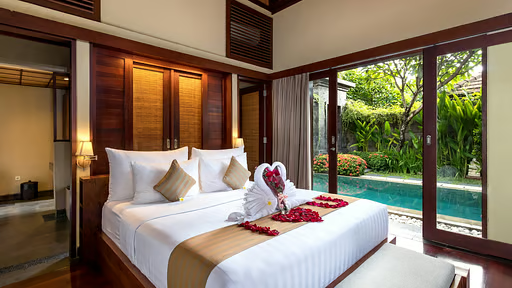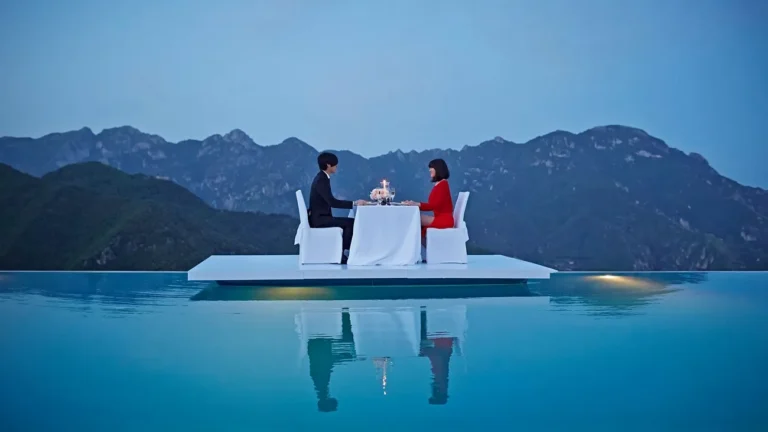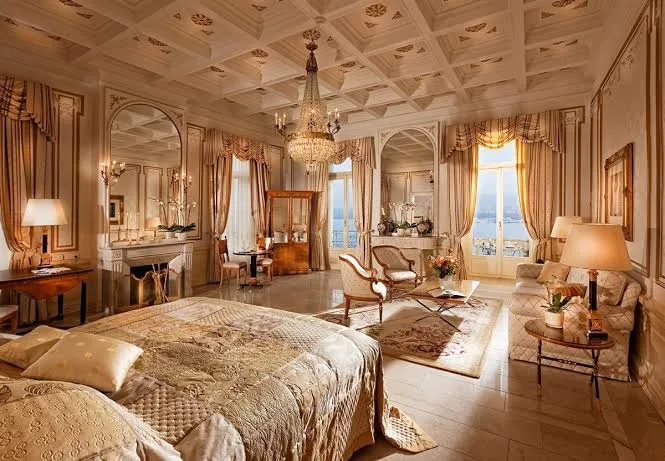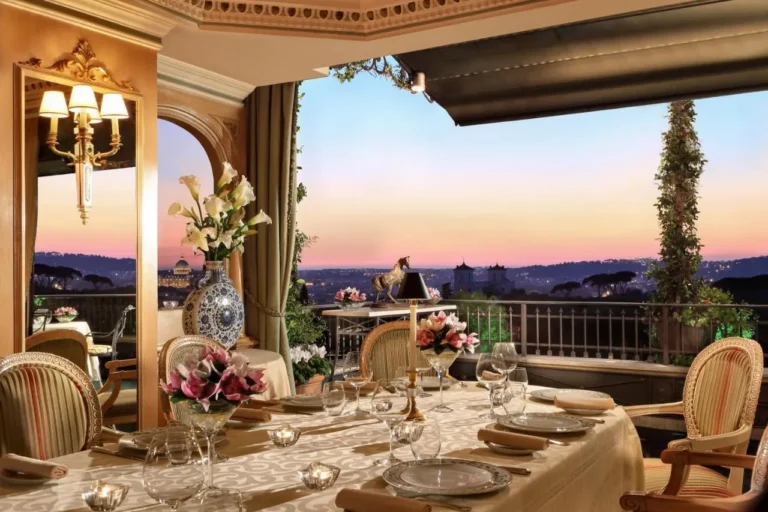
Best Honeymoon Suite Options: Ultimate Luxury & Planning Guide
Selecting a post-wedding accommodation requires balancing emotional expectations against practical hospitality realities. The honeymoon suite is often treated by consumers as a singular product type, yet it encompasses a broad spectrum of spatial designs, service models, and commercial structures. Navigating these choices demands an understanding of room architecture, property operations, and individual travel priorities.
Couples frequently encounter a marketplace saturated with promotional language that masks significant operational differences between properties. A room designated as a suite in an urban boutique hotel offers a fundamentally different experience than a villa with identical branding in a remote resort. Evaluating these environments objectively requires looking beyond surface aesthetics to understand privacy mechanics, location constraints, and long-term value.
This article serves as a comprehensive reference for analyzing and selecting high-tier romantic accommodations. By breaking down structural categories, financial dynamics, and systemic risks, the following sections provide a framework for making informed decisions tailored to specific regional contexts and travel preferences.
Understanding “Best Honeymoon Suite Options”
Evaluating the best honeymoon suite options requires moving past promotional marketing to analyze how guest space and hotel operations interact. The designation of a suite varies widely across jurisdictions and brand tiers. In some markets, a suite implies a multi-room layout with clear physical separations between sleeping and living spaces. In others, it represents an oversized standard room with updated finishes and an elevated price point.
Decoupling Expectations from Marketing Terminology
Hotels frequently apply romantic labels to inventory that yields high profit margins rather than distinct spatial upgrades. A “bridal sanctuary” might simply feature temporary decorative touches in a standard deluxe room. True suites offer structural enhancements, such as dedicated foyers, secondary bathrooms, private exterior access, or custom structural engineering to minimize sound transmission.
Oversimplification and the Single-Metric Trap
Travelers often evaluate accommodations based on a single high-profile feature, such as an infinity pool or an oceanfront balcony. Focusing exclusively on one element can obscure significant operational trade-offs.
-
A plunge pool may sit directly beneath a high-traffic public dining deck.
-
An expansive glass wall might face east, creating intense heat gain during early morning hours.
-
A remote hillside unit can require steep multi-flight climbs for basic amenities.
Historical and Structural Evolution of Romantic Accommodation
The concept of dedicated romantic lodging evolved alongside modern commercial aviation and international tourism in the mid-twentieth century. Early post-war resorts introduced specialized rooms featuring dramatic amenities to capture the emerging leisure market. These initial designs prioritized visual novelty over functional privacy, laying the groundwork for contemporary suite design.
The Transition to Integrated Wellness Features
By the late 1980s, high-end hospitality shifted from decorative themes toward spatial expansion and integrated wellness amenities. Large soaking tubs, walk-in steam showers, and private outdoor areas became standard requirements for top-tier inventory. This shift reflected changing consumer demands, as travelers sought private retreat spaces over shared public amenities within major resort complexes.
Contemporary Design Trends
Today’s top suites emphasize environmental integration and acoustic isolation over flashy decor. Modern architecture uses natural site topographies to block direct sightlines while maximizing natural views. Indoor spaces blend seamlessly into private outdoor zones using multi-panel glass walls, zoned climate systems, and dedicated service corridors that allow staff to operate without disturbing guests.
Conceptual Frameworks for Suite Evaluation
Analyzing top-tier accommodations requires structured mental models rather than intuitive impressions. Applying systematic frameworks helps isolate high-performing layouts from poorly designed spaces.
The Spatial Isolation Index
This model measures how effectively a room separates its occupants from external disturbances. It evaluates three primary dimensions:
-
Acoustic Buffer Zone: The physical distance and structural mass separating the primary bedroom from high-traffic areas, corridors, and mechanical spaces.
-
Visual Line-of-Sight: The degree to which private exterior spaces (balconies, decks, pools) are shielded from neighboring units, public pathways, and drone paths.
-
Service Envelope: The presence of separate service entries, enabling housekeeping, room service, and maintenance to access utility areas without crossing private living space.
The Service Friction Model
High touchpoints do not automatically result in superior experiences. The Service Friction Model assesses the operational balance between staff accessibility and guest autonomy.
Excessive service presence can feel intrusive, requiring constant coordination for minor requests. Conversely, an understaffed property creates friction by delaying simple services. The ideal setup offers invisible support, where staff anticipate needs through automated cues without intruding on guest privacy.
Key Categories and Architectural Variations
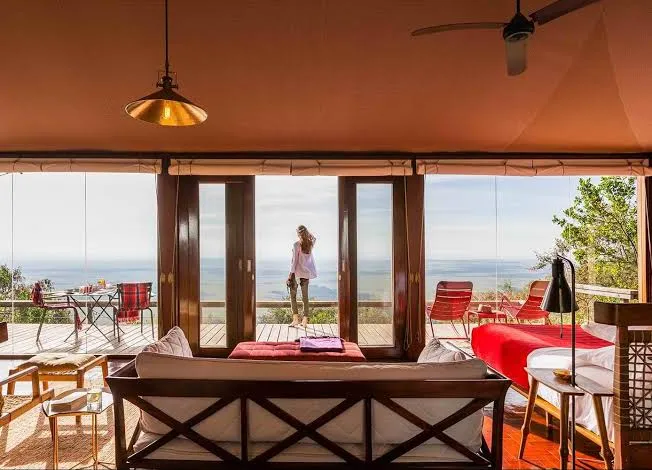
The global hospitality market contains several distinct architectural categories for romantic inventory. Each structural footprint imposes specific operational limits and physical trade-offs.
Overwater Bungalows and Marine Structures
Built over shallow coastal waters, these structures feature glass floor viewing panels, direct ocean access ladders, and expansive marine views.
They require specialized maintenance to control humidity, salt-spray degradation, and tidal noise. Guests must weigh direct water access against potential exposure to public boat channels, foot traffic on connecting boardwalks, and long walks to main resort facilities.
Historic Urban Penthouse Suites
Located in legacy buildings in major metropolitan areas, urban suites prioritize ceiling height, restored architectural details, and skyline vistas.
These properties offer immediate access to cultural attractions and high-end dining. However, structural limitations in historic buildings can result in smaller bathrooms, rigid room layouts, and variable soundproofing against street-level noise.
Standalone Desert and Jungle Eco-Villas
Set within sprawling wilderness preserves, these units utilize natural landscapes to create physical separation without heavy fencing.
Villas offer exceptional privacy and expansive outdoor living spaces. The trade-off involves close proximity to local flora and fauna, exposure to sudden weather changes, and reliance on golf carts or foot travel to reach property dining facilities.
Integrated Resort Enclaves
These spaces sit within large multi-building resort developments, offering exclusive access to private pools, private lounges, and dedicated concierge teams.
Guests benefit from extensive resort amenities, including multiple dining venues and large spa facilities. However, overall site density remains high, meaning surrounding public spaces can feel crowded during peak operational hours.
Real-World Selection Scenarios and Trade-Offs
Choosing among the best honeymoon suite options involves navigating competing priorities. The following realistic scenarios highlight key operational compromises.
Tropical Island Destination with Seasonal Weather Risks
A couple books a remote island overwater suite known for clear weather during peak season. Unexpected weather shifts bring strong winds and heavy rainfall, making outdoor decks and plunge pools unusable.
-
Primary Constraint: Fixed structural exposure to open sea conditions.
-
Decision Point: Accept periodic weather disruptions or request a move to a land-based villa protected by natural tree lines.
-
Secondary Impact: Interior living areas become heavily used, exposing minor flaws in room ventilation, lighting controls, and indoor seating comfort.
Historic European City Center During Peak Season
A couple selects a top-tier suite in a historic city property to remain within walking distance of historical sites.
-
Primary Constraint: Building preservation laws that restrict modern window retrofitting.
-
Decision Point: Prioritize central urban location over complete acoustic isolation from nightly city activity.
-
Secondary Impact: Rest sleep quality depends heavily on interior layout choices, such as selecting a suite facing an inner courtyard rather than the primary street façade.
Financial Dynamics and Resource Allocation
Understanding room pricing requires analyzing both direct room rates and associated operational costs. Published base rates rarely capture the full financial investment required for high-end stays.
Direct, Indirect, and Hidden Costs
Room pricing varies based on occupancy trends, local events, and seasonal weather patterns. Beyond the base rate, premium inventory carries indirect financial obligations:
-
Mandatory Resort and Service Fees: Daily surcharges that cover baseline amenities like Wi-Fi, pool access, and gym facilities.
-
Private Logistics: High-end transport, such as private sea plane charters, helicopter transfers, or premium airport arrivals.
-
In-Suite Dining Premiums: Service charges and delivery fees added to room service orders, which can run 30% to 50% above standard restaurant pricing.
Finding the best honeymoon suite options requires a deliberate, methodical approach rather than relying solely on high-gloss promotional photos. The following structured framework helps strip away marketing fluff during the research phase.
Direct Property Inquiries
Before confirming a booking, contact the property directly to verify key physical room details that are often missing from standard website descriptions:
-
Exact Room Location: Request the specific unit numbers for the category to map their position relative to high-traffic public spaces, service elevators, and delivery bays.
-
Renovation History: Inquire when the specific suite block was last updated, focusing on mechanical upgrades like air conditioning and bathroom plumbing.
-
Sightline Assessments: Confirm whether nearby trees, new construction projects, or adjacent buildings obscure key views or reduce outdoor pool privacy.
-
Acoustic Profiling: Ask about structural soundproofing measures, especially if the suite sits below roof-deck venues, main kitchens, or event spaces.
Risk Landscapes and Common Failure Modes
Booking premium inventory introduces risk factors that can undermine the stay experience. Identifying these failure modes early allows travelers to take steps to mitigate them.
Architectural Misrepresentation
Wide-angle lenses and selective photo lighting can make tight spaces appear expansive. Rooms labeled as “suites” may actually feature open-plan layouts that lack physical interior walls between living and sleeping areas, limiting functional privacy.
Operational and Event Interference
Resorts frequently host large weddings, corporate retreats, and private events during peak travel seasons. These activities can result in temporary closures of key dining venues, elevated noise levels near shared pools, and limited availability of concierge services.
Governance, Communication, and Booking Adaptations
Securing top-tier room inventory requires proactive, clear communication with property management long before your scheduled arrival date.
Establishing Direct Operational Contact
Rather than booking through third-party platforms, coordinate directly with the hotel’s front office manager or reservations director.
Third-party bookings often get assigned to default room numbers within a category. Direct contact allows you to request specific unit numbers that offer superior quietness, unobstructed views, or better natural lighting.
Pre-Arrival Checklist
-
Request a detailed floor plan showing interior wall placements and door locations.
-
Verify whether any major property renovations will occur during your stay dates.
-
Confirm that adjacent suites are not slated for noisy maintenance or cosmetic updates.
-
Secure written confirmation of check-in and check-out times to avoid long waits in public lounges.
Performance Indicators and Post-Stay Evaluation
Evaluating the quality of a stay involves looking beyond temporary pampering to assess true comfort, privacy, and operational execution.
Objective Technical Signals
-
Acoustic Isolation: Indoor ambient noise levels stay low regardless of external weather conditions or nearby guest activity.
-
Climate Control Precision: HVAC systems maintain set temperatures quietly and efficiently without creating drafts over sleeping areas.
-
Plumbing Reliability: Water pressure and hot water availability remain consistent during peak morning and evening usage hours.
Subjective Operational Signals
-
Staff Discretion: Room attendants service the suite efficiently while guests are away, leaving private items undisturbed.
-
Resolution Speed: Management resolves minor room issues quickly without requiring multiple follow-up calls to the front desk.
Widespread Misconceptions in Luxury Hospitality
Several persistent myths skew how travelers research and select premium romantic inventory. Correcting these assumptions leads to more realistic expectations and better booking outcomes.
The “Highest Category Is Always Best” Myth
The top-priced presidential or multi-bedroom suite is designed primarily for hosting small groups or entertainment, not intimate stays. These sprawling layouts can feel cold and uninviting for two people, featuring overly large dining spaces at the expense of cozy bedroom areas.
The “Private Pool” Visibility Assumption
Many travelers assume that a room with a private plunge pool is completely private. In reality, modern resort layouts often stack units vertically or align them along hillsides, leaving lower-level outdoor decks visible from upper guest rooms, footpaths, or nearby dining venues.
Ethical and Environmental Considerations
The expansion of high-end resort inventory can place significant pressure on local natural environments and communities. Selecting responsible properties helps minimize these negative impacts.
Water and Energy Resource Demands
Luxury amenities like large private plunge pools, expansive landscaped gardens, and high-capacity air conditioning systems consume significant local resources.
Properties operating in arid or island regions must balance these luxury offerings with sustainable water desalination, greywater recycling, and renewable power generation.
Local Land Use and Cultural Impact
Coastal and rural resort developments can restrict local access to traditional fishing grounds, beaches, and natural sites.
Support properties that maintain public access pathways, engage local labor forces at fair wages, and build structures using sustainable local materials rather than heavy imports.
Strategic Synthesis for Long-Term Value
Navigating the best honeymoon suite options requires prioritizing structural quality, clear layouts, and proven privacy over decorative extras and broad marketing claims. By focusing on physical layout details, asking target questions before booking, and establishing direct lines of communication with hotel staff, travelers can avoid common property traps.
Ultimately, a successful stay depends on matching a room’s physical layout to your specific daily routines and travel preferences. Approaching the booking process with analytical clarity ensures your chosen accommodation provides a comfortable, quiet, and stress-free foundation for your stay.