Best Luxury Suites for Couples: High-End Accommodation Blueprint
Selecting high-end accommodations for two travelers requires a thorough understanding of spatial planning, property operations, and acoustic privacy. In the upper tiers of global hospitality, room categories are often marketed using extravagant descriptors that blur functional distinctions. Assessing these settings objectively demands looking past superficial visual appeal to examine physical room flow, structural isolation, and service delivery models.
The commercial luxury market frequently packages oversized standard inventory under elite romantic labels. An expansive room layout in a high-rise city center operates under entirely different parameters than a detached villa within a remote wilderness reserve. Discerning travelers must differentiate between aesthetic ornamentation and genuine architectural quality when evaluating premium accommodations.
This analytical reference manual explores the underlying frameworks that define top-tier romantic accommodations. By analyzing structural typologies, financial structures, operational failure modes, and verification methods, the following sections provide a structured approach to identifying rooms that deliver true spatial comfort and privacy.
Understanding “Best Luxury Suites for Couples”
Evaluating the best luxury suites for couples requires separating room layout mechanics from standard marketing claims. The luxury hospitality sector relies heavily on subjective vocabulary to justify high room rates. However, true spatial quality depends on physical engineering, thoughtful interior zoning, and effective acoustic isolation.
Decoupling High Rates from Architectural Quality
High room pricing does not automatically guarantee functional privacy or superior layout design. Properties frequently apply premium prices to rooms featuring expensive surface finishes or high-end furnishings, even when the structural footprint remains cramped or noisy.
True luxury accommodations prioritize physical space separation, including dedicated entry foyers, insulated sleeping quarters, and shielded exterior decks.
Oversimplification and Single-Attribute Pitfalls
Travelers often fall into the trap of evaluating rooms based on a single high-profile amenity, such as an infinity plunge pool or a framed mountain view.
Focusing exclusively on one feature can mask major operational drawbacks:
-
An exterior deck may be situated directly above an active service corridor.
-
Floor-to-ceiling glass walls can cause extreme interior solar heating during peak daytime hours.
-
An open-concept bathroom layout can eliminate essential visual and acoustic privacy within the suite.
Historical and Systemic Evolution of High-Tier Accommodations
The architecture of luxury hotel suites has changed dramatically alongside shifting consumer demands over the past century. Early grand hotels designed suites primarily for public hosting, featuring large formal parlors connected to smaller, basic sleeping quarters.
These designs prioritized social status and entertaining capacity over personal privacy or relaxation.
The Transition Toward Private Wellness Sanctuaries
During the late twentieth century, luxury hospitality shifted toward private wellness spaces. Hotel operators began expanding bathroom footprints to include oversized soaking tubs, steam showers, and direct access to private outdoor lounge areas.
This change reflected a broader cultural movement toward personal relaxation, leading properties to redesign suites as self-contained retreat environments.
Contemporary Design Principles
Modern high-end suite design emphasizes environmental integration, acoustic dampening, and seamless service delivery. Modern architecture uses natural site topographies and strategic landscaping to block direct sightlines without using artificial barriers.
Additionally, modern properties integrate hidden service corridors, allowing staff to handle room service, housekeeping, and maintenance discreetly without disturbing guests.
Conceptual Frameworks for Evaluating Romantic Inventory
Evaluating high-end suites requires clear analytical frameworks rather than intuitive guesses. Applying structured models helps isolate functional layout performance from temporary decorative trends.
The Spatial Autonomy Index
This model evaluates how effectively a room enables occupants to reside comfortably without requiring frequent interactions with resort staff or outside guests. It assesses three structural areas:
-
In-Suite Culinary Capability: The presence of dedicated dining zones, pantry spaces, and temperature-controlled storage that support seamless in-room dining.
-
Self-Contained Wellness Features: Integrated private amenities, such as plunge pools, saunas, and outdoor showers, that function independently of main resort facilities.
-
Acoustic Isolation Envelope: Heavy structural wall mass and soundproof glazing that isolate the suite from external property noise.
The Service Visibility Spectrum
High-touch service can sometimes undermine personal privacy if delivered without care. The Service Visibility Spectrum evaluates how staff support is integrated into the suite experience.
The ideal service setup offers invisible efficiency. Staff anticipate guest needs using discrete digital cues and dedicated service entries, avoiding unnecessary physical disruptions.
Key Structural Categories and Architectural Trade-offs
The global luxury market features several distinct suite typologies. Each structural layout introduces specific operational advantages, physical limits, and design trade-offs.
Overwater Sanctuary Villas
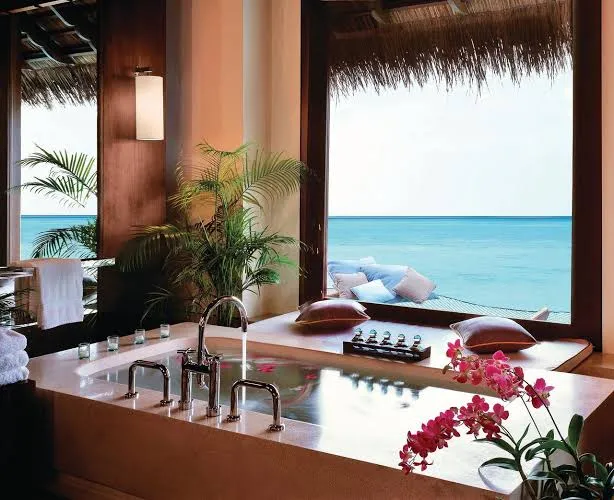
Built above shallow ocean waters, these villas offer direct sea access, glass floor panels, and panoramic marine views.
However, marine structures require constant maintenance to manage salt spray, high humidity, and wave noise. Guests must weigh direct water access against exposure to coastal winds, boat traffic, and long walks along boardwalks to main resort dining areas.
Historic Urban Grand Suites
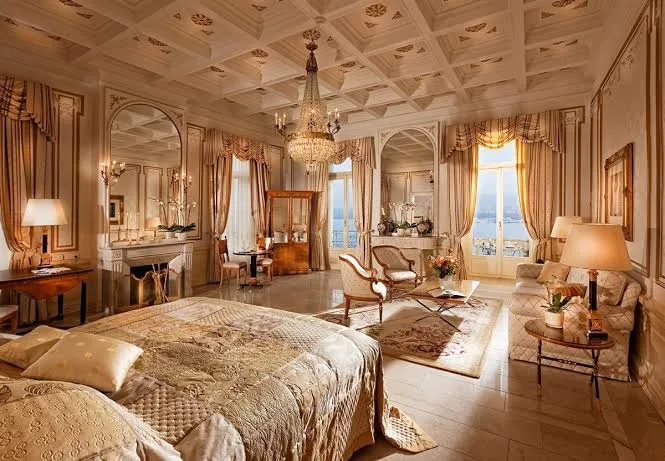
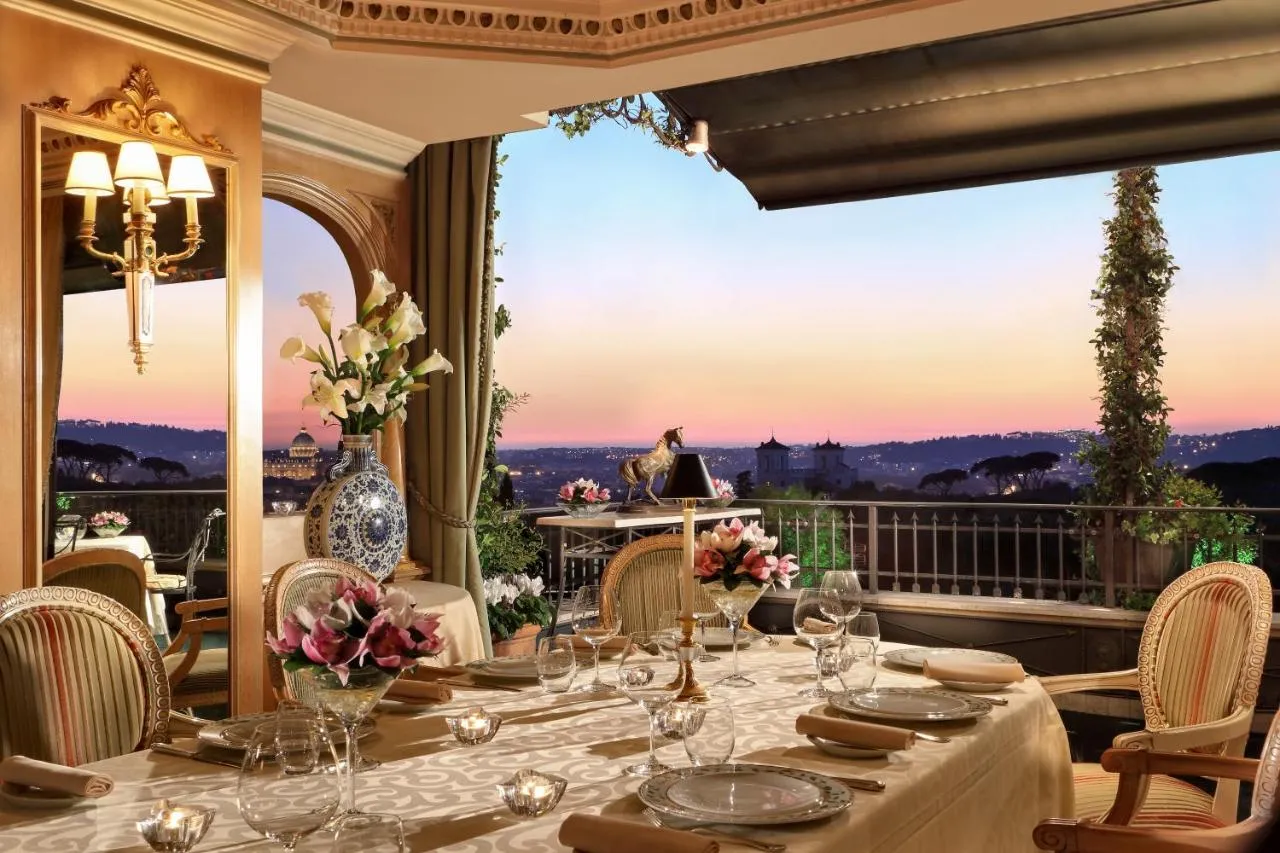
Set within legacy properties in major cities, urban suites feature historic plasterwork, high ceilings, and central street views.
These accommodations place guests steps away from cultural institutions and top-tier dining. Trade-offs include rigid structural walls, variable window soundproofing against traffic, and smaller bathroom footprints compared to modern resort builds.
Cliffside Wilderness Cabins
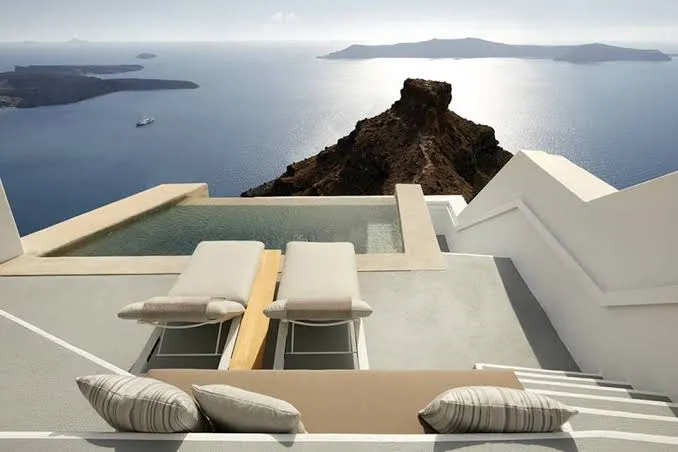
Positioned on elevated coastal or mountain terrain, cliffside cabins utilize steep topographies to offer complete spatial separation and uninterrupted views.
These properties deliver unmatched visual isolation. However, their remote placement requires navigating steep staircases, relying on resort transport buggies, and enduring variable weather conditions.
Integrated Spa Enclave Suites
Designed around wellness experiences, these suites feature private treatment tables, dry saunas, steam rooms, and oversized hydrotherapy tubs.
They allow guests to enjoy professional wellness treatments entirely within their private quarters. The primary challenge involves managing indoor humidity, requiring advanced climate control systems to keep living spaces dry and comfortable.
Real-World Selection Scenarios and Operational Compromises
Evaluating the best luxury suites for couples involves balancing competing travel priorities. Real-world scenarios showcase common compromises couples navigate when booking high-end accommodations.
Remote Wilderness Lodge vs. City Center Convenience
A couple balances choosing between a secluded mountain cabin and a central urban luxury suite for a week-long stay.
-
Primary Constraint: The mountain cabin requires a two-hour ground transfer from the nearest international airport.
-
Decision Point: Choose natural quiet and wide open space over immediate access to city dining and cultural attractions.
-
Secondary Impact: The remote setting limits spontaneous dining choices, requiring guests to rely primarily on the lodge’s on-site culinary team.
Elevated Ocean View vs. Direct Beach Access
A couple compares a high cliffside villa offering panoramic ocean views with a beachfront suite set directly on the sand.
-
Primary Constraint: The cliffside villa requires climbing 120 stone steps to reach the water.
-
Decision Point: Accept steep daily walks to secure complete visual privacy and wider ocean views.
-
Secondary Impact: Guests spend more time inside the cliffside villa, increasing their reliance on in-suite dining and private amenities.
Financial Dynamics and Resource Allocation
Analyzing luxury accommodations requires looking beyond base room rates to evaluate total overall expenditure. Published nightly rates rarely cover the full cost of high-end stays.
Uncovering Hidden Financial Factors
Room rates vary based on seasonal demand, local holiday calendars, and global travel patterns. Premium inventory carries additional financial components that impact the overall trip cost:
-
Mandatory Resort and Facility Fees: Fixed daily surcharges that cover basic amenities like Wi-Fi, pool access, and fitness center entry.
-
Private Transport Logistics: Premium arrival fees, such as private helicopter transfers, luxury boat charters, or chauffeur services.
-
In-Suite Service Markups: Mandatory service charges and delivery fees added to in-room dining, which can increase bill totals by 30% to 50%.
Selecting high-tier inventory requires a systematic research approach rather than relying on promotional brochures. Using structured evaluation steps helps verify property claims during pre-booking research.
Direct Property Inquiries
Before confirming a reservation, contact hotel management directly to verify key room details that are often omitted from marketing websites:
-
Exact Room Position: Request unit numbers for the target suite category to map their distance from main pools, kitchens, and delivery driveways.
-
Renovation Timelines: Ask when the specific room block was last updated, focusing on mechanical elements like HVAC systems and plumbing fixtures.
-
Sightline Surveys: Confirm whether nearby foliage, new resort construction, or adjacent guest balconies reduce private deck privacy.
-
Acoustic Insulation: Inquire about wall soundproofing construction, especially if the suite sits below rooftop venues, commercial kitchens, or event halls.
Risk Landscapes and Failure Modes in High-End Hospitality
Booking high-end suites introduces specific operational risks that can undermine the quality of a stay. Identifying potential failure modes early allows travelers to take proactive steps to avoid them.
Visual Misrepresentation
Wide-angle camera lenses and adjusted lighting can make smaller spaces appear expansive in online photo galleries. Suites listed as multi-room spaces may actually feature open-plan layouts without physical dividing walls, compromising internal privacy.
Acoustic Intrusion
Hard floor finishes like polished marble, hardwood, and glass can bounce sound around a room if acoustic padding is missing. Suites located near service elevators, housekeeping pantries, or public paths often suffer from ambient foot traffic noise.
Governance, Communication, and Booking Adaptations
Securing top-tier room inventory requires clear, direct communication with hotel management well ahead of your travel dates.
Direct Management Engagement
Rather than booking through third-party platforms, coordinate directly with the hotel’s front desk manager or reservations director.
Third-party bookings are often assigned default room numbers within a category. Direct contact allows you to request specific unit numbers known for quiet locations, unobstructed views, or superior natural lighting.
Pre-Arrival Checklist
-
Request a detailed floor plan showing interior wall layouts and door locations.
-
Verify whether any major property renovations will occur during your stay dates.
-
Confirm that adjacent suites are not scheduled for noisy maintenance work.
-
Secure written confirmation of check-in times to avoid waiting in public lobbies.
Performance Indicators and Post-Stay Auditing
Evaluating the overall quality of an accommodation requires looking beyond surface aesthetics to assess physical comfort, privacy, and service delivery.
Objective Technical Signals
-
Acoustic Performance: Indoor noise levels remain low regardless of outdoor weather conditions or nearby guest activity.
-
Climate Precision: Air conditioning systems maintain set temperatures quietly without creating drafts over sleeping areas.
-
Plumbing Reliability: Water pressure and hot water availability remain consistent during peak morning and evening usage hours.
Subjective Service Signals
-
Staff Discretion: Housekeeping attends to the suite efficiently while guests are out, leaving personal belongings undisturbed.
-
Problem Resolution: Management resolves room issues quickly without requiring multiple follow-up calls to the front desk.
Widespread Misconceptions in Luxury Travel
Several persistent myths skew how travelers evaluate high-tier hotel inventory. Correcting these assumptions helps buyers set realistic expectations and make better decisions.
The “Higher Rates Guarantee Privacy” Fallacy
Travelers often assume that higher room rates automatically secure absolute privacy. In reality, high-category suites are frequently situated near primary resort assets, such as beachfronts or main pools, exposing them to higher foot traffic and noise.
The “Suite Means Multiple Rooms” Misconception
The term “suite” does not always guarantee separate living and sleeping spaces. Many properties apply the label to large single-room layouts, using furniture arrangements rather than physical walls to divide the space.
Ethical, Environmental, and Regional Considerations
High-end resort developments can place significant demands on local natural environments and surrounding communities. Selecting responsible properties helps minimize these negative impacts.
Resource Usage in Luxury Hospitality
Luxury amenities like private plunge pools, manicured gardens, and high-capacity air conditioning systems consume substantial local resources.
Properties operating in dry or island regions should balance these offerings with water desalination, greywater recycling, and solar power generation.
Supporting Local Economies
Foreign-owned mega-resorts often retain profits offshore, limiting economic benefits for local workers and nearby businesses.
Choosing locally managed boutique hotels or properties that source food and labor locally helps ensure tourism spending directly supports the host community.
Strategic Synthesis for Long-Term Value
Finding the best luxury suites for couples requires prioritizing structural build quality, functional layout efficiency, and quiet surroundings over promotional claims. By reviewing floor plans, asking targeted questions before booking, and establishing direct communication with hotel management, travelers can avoid common property traps.
Ultimately, a successful stay depends on choosing a room design that aligns naturally with your personal daily routines and travel style. Approaching the reservation process with analytical clarity ensures your accommodation provides a comfortable, quiet, and memorable base for your trip.